English

Many people use the terms corrugated box and cardboard box interchangeably. However, they are not the same material. Understanding the difference between corrugated and cardboard packaging helps businesses choose the right box for shipping, storage, retail, and product protection.
In this guide, you'll learn what each type of box is, how they differ, where they are used, and how to select the best packaging for your products.
What Is a Corrugated Box?
A corrugated box is made from corrugated fiberboard, which consists of different layers: outer liner, fluted middle layer, inner liner and more. The fluted layer creates air pockets that provide excellent cushioning and compression strength. This corrugated box packaging design makes corrugated boxes lightweight yet durable enough to withstand shipping and warehouse stacking.
Corrugated packaging solutions are widely used for:
E-commerce shipping
Industrial products
Electronics
Furniture
Food and beverage transportation
Export packaging
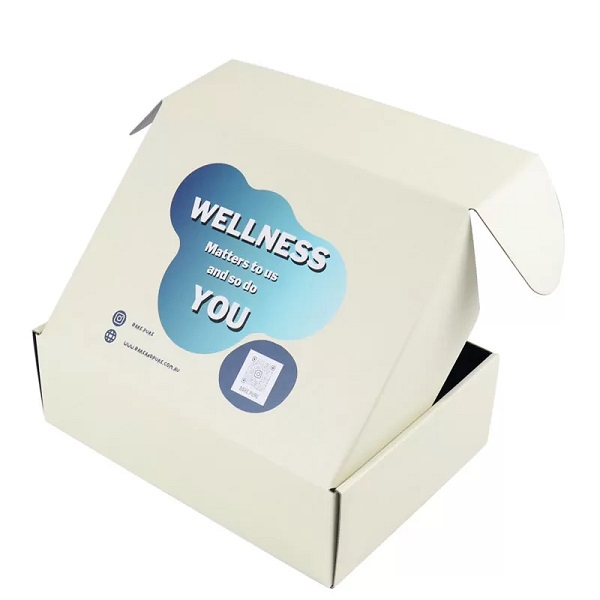
What Is a Cardboard Box?
Technically, cardboard usually refers to paperboard, a single-layer material without the fluted middle layer found in corrugated board.
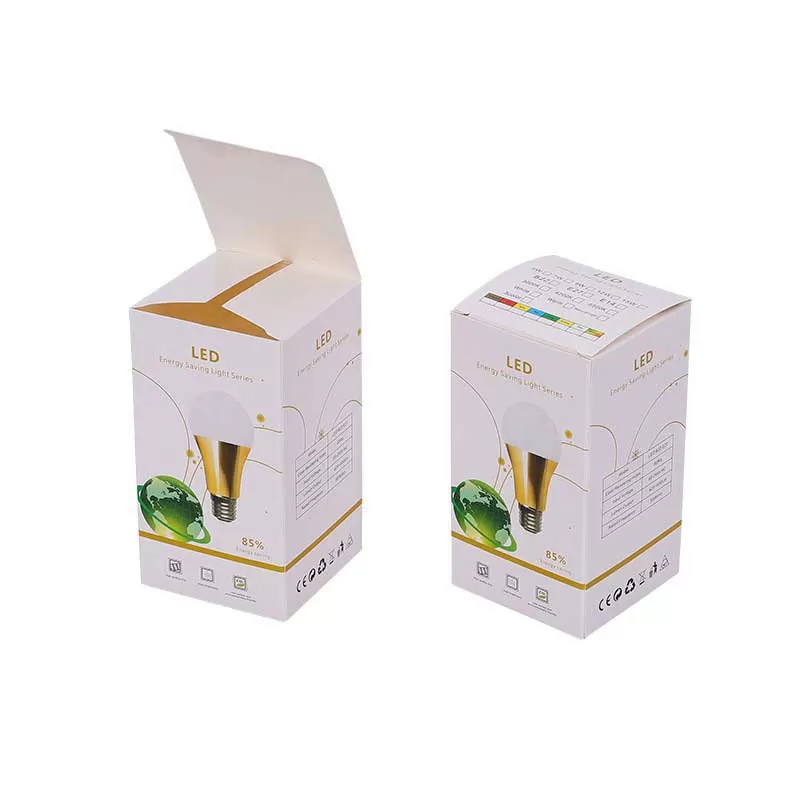
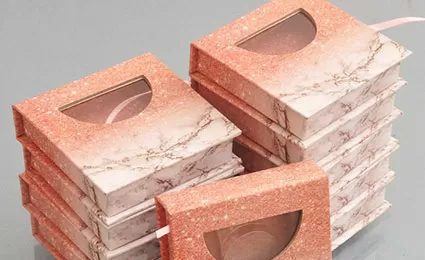
Cardboard boxes are thinner, smoother, and easier to print, making them ideal for retail packaging rather than heavy-duty shipping.
Common applications include:
Cosmetics
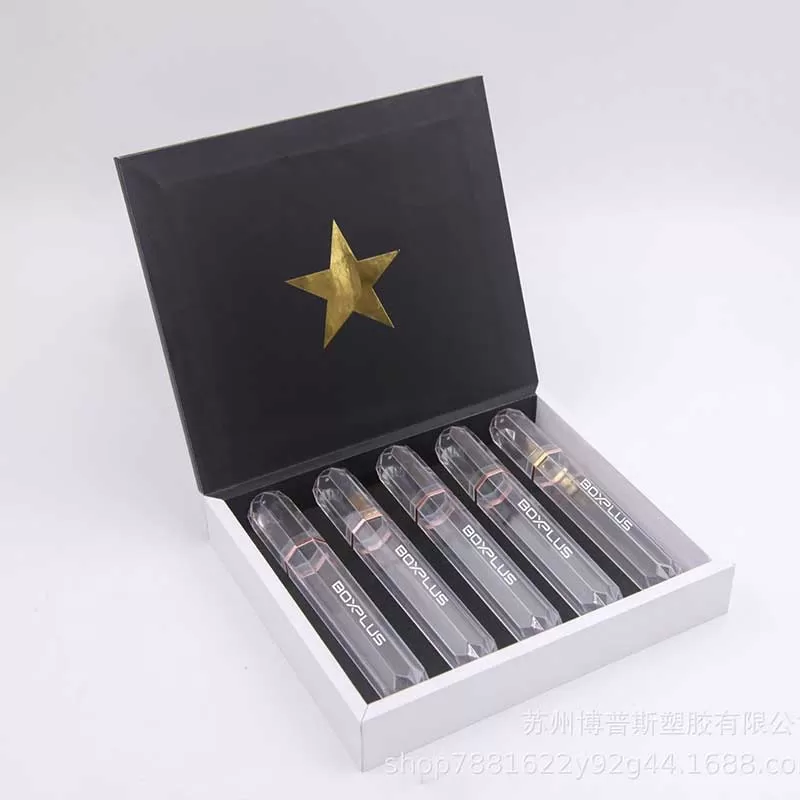
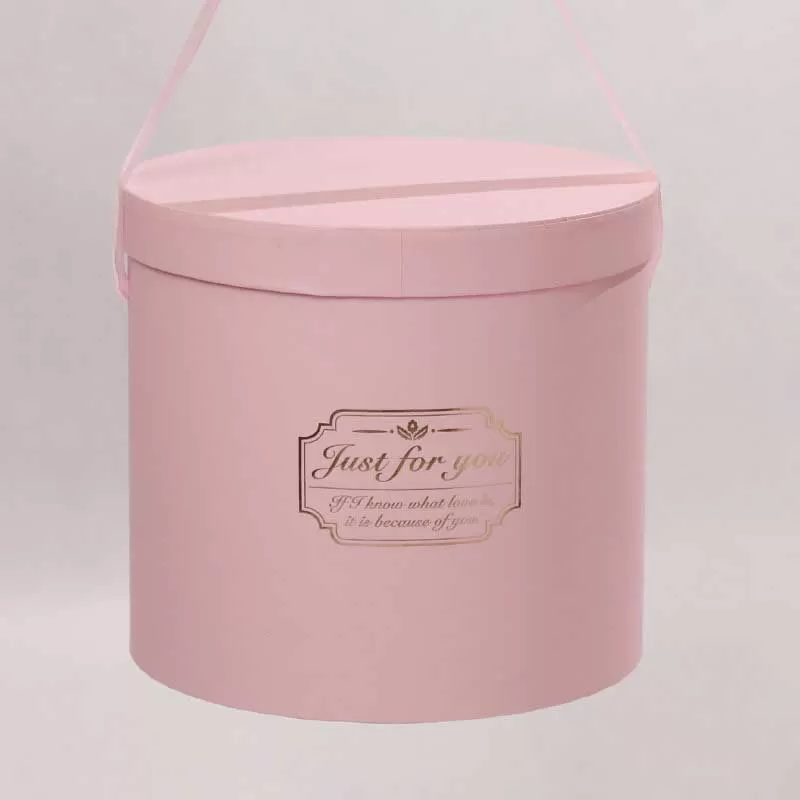
Gift boxes
Food cartons
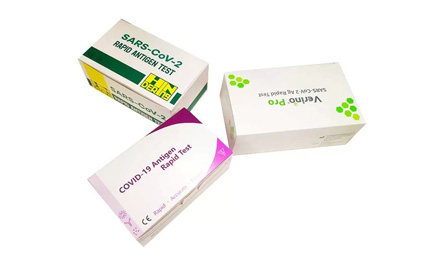
Pharmaceutical packaging
Clothing packaging
Luxury retail boxes
Difference Between Corrugated Box and Cardboard Box
| Feature | Corrugated Box | Cardboard Box |
|---|---|---|
| Material | Corrugated fiberboard | Paperboard |
| Structure | Three layers/Five layers | Single layer |
| Strength | Excellent | Moderate |
| Cushioning | High | Low |
| Shipping | Excellent | Limited |
| Printing Quality | Good | Excellent |
| Typical Use | Shipping cartons | Retail packaging |
The biggest difference is the internal fluted layer. Corrugated boxes absorb impacts during transportation, while cardboard boxes mainly provide presentation and branding.
Which Box Is Stronger?
Corrugated boxes are significantly stronger than cardboard boxes because the fluted core increases compression strength, edge crush resistance, and shock absorption.
If your products will be shipped long distances, stacked in warehouses, or exported internationally, corrugated packaging is the better choice.
Cardboard boxes work well when appearance matters more than protection, such as cardboard boxes for cosmetics, gifts, or premium retail packaging.
How to Size a Corrugated Box
Choosing the correct box size helps reduce shipping costs and prevents product damage.
Measure the product's length, width, and height.
Add space for protective materials such as foam or bubble wrap.
Select the appropriate flute type based on product weight.
Avoid oversized boxes to reduce dimensional shipping charges.
A properly sized box improves protection while minimizing packaging waste.
Custom Printed Corrugated Packaging
Today's shipping boxes do much more than protect products—they also strengthen your brand.
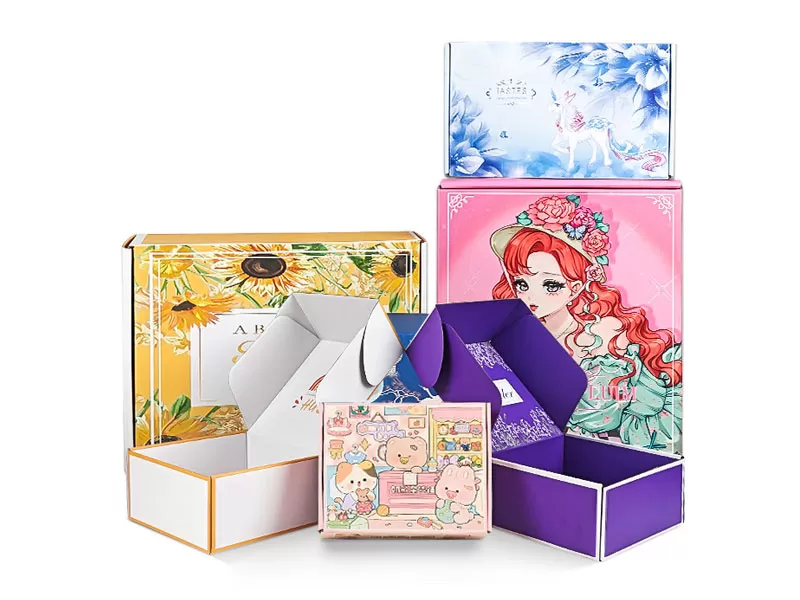
Custom printed corrugated packaging boxes can include:
Company logos
Brand colors
Product information
QR codes
Instructions
Marketing graphics
Modern printing technologies such as flexographic, offset, and digital printing allow businesses to create professional packaging that improves customer experience and brand recognition.
Die Cut Corrugated Boxes
Unlike standard shipping cartons, die cut corrugated boxes are manufactured using custom cutting dies to create unique shapes and precise product fits.
Benefits include:
Better product protection
Reduced movement during shipping
Lower packaging waste
Faster assembly
Improved presentation
They are commonly used for electronics, subscription boxes, consumer products, and premium packaging.

How to Choose a Reliable Corrugated Box Supplier
Selecting the right packaging supplier is just as important as choosing the right material.
Look for corrugated box manufacturers that offer:
Custom structural design
High-quality printing
Die-cut manufacturing
Eco-friendly materials
Strict quality control
Fast production and global shipping
Experienced custom packaging manufacturers can help optimize packaging performance while reducing transportation costs and product damage.
Which Packaging Should You Choose?
Choose corrugated boxes if you need:
Shipping protection
Warehouse storage
Heavy products
E-commerce fulfillment
Export packaging
Choose cardboard boxes if you need:
Retail display
Luxury presentation
Gift packaging
Lightweight consumer products
Many businesses combine both—using cardboard boxes for retail presentation and corrugated cartons for transportation.
Conclusion
Although people often use the terms interchangeably, corrugated boxes and cardboard boxes serve different purposes.
Corrugated boxes provide superior strength, durability, and cushioning, making them the preferred solution for shipping and logistics. Cardboard boxes offer excellent print quality and appearance, making them ideal for retail packaging and product presentation.
Understanding the differences helps businesses choose packaging that protects products, reduces costs, and enhances customer satisfaction.Contact us to get more details.
Frequently Asked Questions
Are cardboard and corrugated boxes the same?
No. Corrugated boxes contain a fluted middle layer that provides strength and cushioning, while cardboard boxes are made from solid paperboard.
Is corrugated packaging better for shipping?
Yes. Corrugated boxes are stronger, absorb impacts, and support heavier loads, making them ideal for shipping and export.
Can corrugated boxes be custom printed?
Yes. Corrugated boxes can be printed using flexographic, offset, or digital printing to create branded packaging.
Are corrugated boxes recyclable?
Yes. Most corrugated boxes are made from recyclable paper fibers and are widely accepted in recycling programs worldwide.
What industries commonly use corrugated packaging?
Industries including e-commerce, electronics, food, pharmaceuticals, furniture, automotive, and logistics rely on corrugated packaging because of its excellent strength and protective performance.