English

For pharmaceutical packaging manufacturers, delivering compliant and high-quality packaging solutions requires deep knowledge of materials science, printing technology, and regulatory frameworks such as FDA, EU GMP, ISO 15378, and DSCSA.
What is Pharmaceutical Packaging?
Pharmaceutical packaging refers to the materials and systems used to contain, protect, identify, and deliver pharmaceutical products from manufacturing to end users. It ensures drug integrity, prevents contamination, and provides critical product information such as dosage instructions, expiration dates, and regulatory identifiers.
Modern pharmaceutical packaging serves four key functions:
Protection: Shields drugs from moisture, light, oxygen, and physical damage.
Containment: Ensures safe and sterile delivery of pharmaceutical products.
Information: Provides labeling, instructions, and compliance data.
Security: Prevents counterfeiting and ensures supply chain traceability.
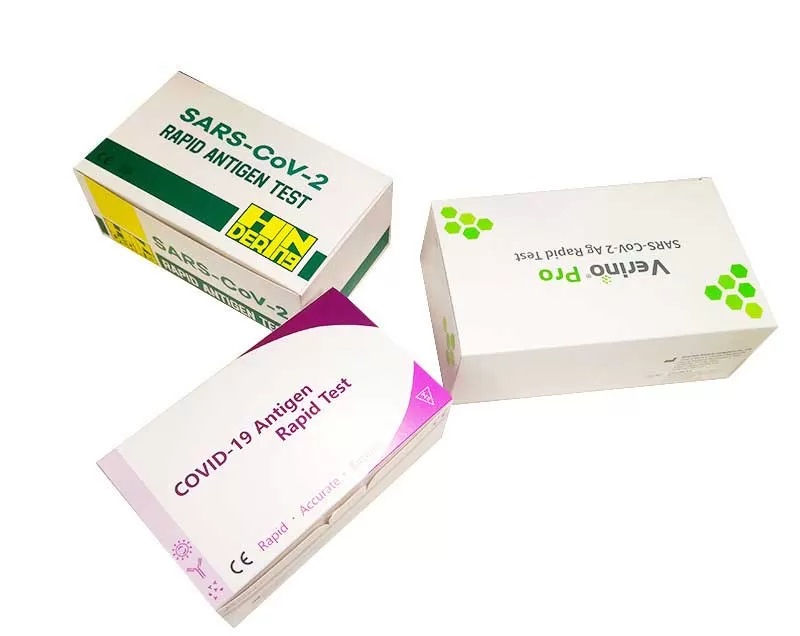
Packaging for Pharmaceutical Products by Dosage Form
Different pharmaceutical products require different custom packaging solutions depending on their physical and chemical properties.
Tablets & Capsules: Blister packs + folding cartons
Injectables: Glass vials + sterile cartons
Liquid Syrups: HDPE or glass bottles + sealed cartons
Creams & Ointments: Laminated tubes + printed boxes
Medical Devices: Sterile barrier packaging + labeled cartons
Pharmaceutical Box Printing Technologies
Pharmaceutical box printing is a highly specialized process requiring precision, consistency, and regulatory compliance.
Common Printing Methods
Offset Printing: High-quality and cost-effective for large volumes
Digital Printing: Ideal for short runs and variable data
UV Printing: Enhances durability and visual impact
Cold Foil & Hot Stamping: Used for branding and anti-counterfeit features
Security Printing Features
Serialization (GS1 DataMatrix codes)
Tamper-evident seals
Invisible inks
Microtext printing
QR code traceability
Why Pharmaceutical Packaging is Important
Pharmaceutical packaging is essential for ensuring patient safety and regulatory compliance across global healthcare systems.
Patient Safety: Prevents contamination and dosage errors
Counterfeit Prevention: Protects against falsified medicines
Regulatory Compliance: Meets FDA, EMA, and ISO requirements
Supply Chain Traceability: Enables serialization and tracking
Brand Integrity: Strengthens pharmaceutical brand trust
Pharmaceutical Packaging Regulations and Standards
Global pharmaceutical packaging must comply with strict regulatory frameworks.
FDA (21 CFR Part 211 & 201): U.S. drug packaging and labeling regulations
EU GMP: Manufacturing and packaging quality standards
ISO 15378: Quality management system for primary packaging materials
DSCSA: U.S. Drug Supply Chain Security Act for serialization
EU FMD: Falsified Medicines Directive for traceability
GS1 Standards: Global barcode and identification systems
Among these, ISO 15378 is particularly important because it integrates GMP requirements with ISO 9001 quality management systems for pharmaceutical primary packaging suppliers.
What is ISO 15378?
ISO 15378 is an international standard that specifies requirements for quality management systems for manufacturers of primary packaging materials for medicinal products.
It ensures:
Risk management in packaging production
Clean manufacturing environments
Full traceability of materials
Strict documentation and audit systems
How to Choose a Pharmaceutical Packaging Manufacturer
Selecting the right pharmaceutical packaging manufacturer is critical for compliance and product success.
ISO 15378 or GMP certification
Advanced printing capabilities
Material traceability systems
Serialization support
Strict quality control processes
Customization and design support
Experience in pharmaceutical export markets
A reliable pharmaceutical packaging company such as KENUODA Printing should also provide regulatory documentation support and ensure consistent quality across global supply chains.
Custom Pharmaceutical Packaging Solutions
Modern pharmaceutical companies increasingly demand custom pharmaceutical packaging boxes that combine compliance, branding, and functionality.
At Kenuoda Printing, we provide OEM/ODM pharmaceutical packaging solutions including folding cartons, and printed pharmaceutical packaging materials designed to meet international standards and export requirements.
Conclusion
Pharmaceutical packaging is a highly regulated and technologically advanced industry that directly impacts patient safety, drug effectiveness, and global healthcare compliance. From materials selection to box printing and serialization, every detail matters.
Companies that invest in high-quality pharmaceutical packaging materials and work with experienced pharmaceutical packaging manufacturers gain a competitive advantage in compliance, safety, and brand trust.
As the industry continues to evolve toward digitalization and sustainability, pharmaceutical packaging will play an even more critical role in ensuring a safer and more transparent global healthcare system.
Related Products
Custom Medicine Packaging Boxes Wholesale